Near Future Laboratory Blog
Thoughts, Reflections, Updates & Week Notes
Jul 20, 2007 – Aug 5, 2007
w29/w30/w31/w32/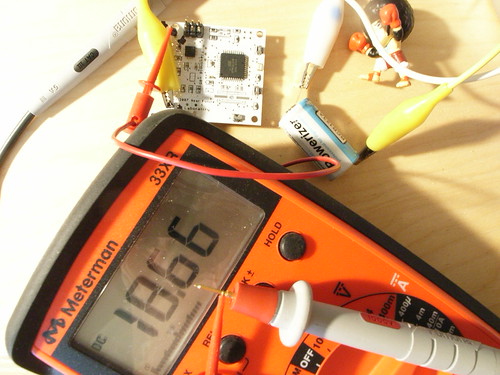
Aug 05, 2007
Power. Faced with the design challenges of keeping things that don’t sleep awake as long as possible. One of the more intriguing aspects of the Flavonoid project has been to find ways that it can stay active and recording without it requiring a large, heavy battery. This battery here — the “Powerizer” — is about as…
AtmelBook StuffDesign Art TechnologyFlavonoidHardwareHow To
Aug 03, 2007
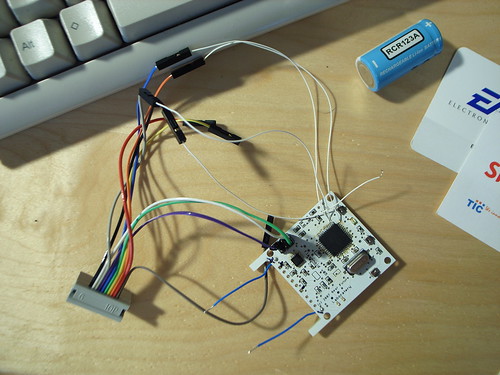
From a distance, the craftwork of prototyping speculative devices is really, really exciting to me. Thinking about design, electronics, construction, developing activated objects that actually work? That’s great.
Book StuffDesign Art TechnologyFlavonoidGeneralHardwareHow ToInnovationTheory Object
Jul 30, 2007
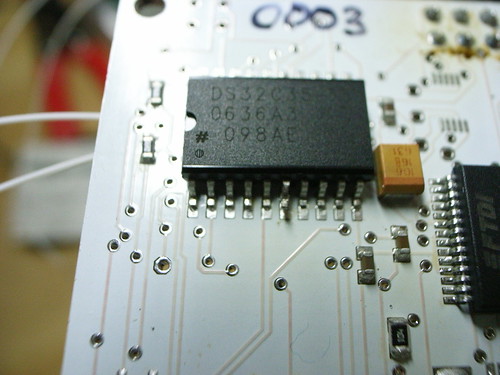
So, the evolution of machinery has led to the eponymous “sleep” mode, or “sleep state” for digital devices. Our phones and computers and stuff — they can go to sleep. I think the first time I saw this (and was somewhat fascinated) was when a PC I was using had this BIOS that could put the computer into a hibernate m…
Book StuffGeneralHardwareInnovationInteraction TermsTimeuser experienceTheory Object
Jul 30, 2007
A viral campaign based on the premise that computers and other digital kinds of things can exhibit emotions, like jealousy. They certainly exhibit stubborness, insolence, daring-do, morose sorts of apathy moods, memory loss, short-term memory loss, deep depressions leading to suicide, and the occasional carbuncle an…
Book StuffGeneral
Jul 29, 2007
Our devices are evolving into persistent companions, more like pets or friends than tools. Explore how perpetual presence shapes our relationship with technology
devicefuturetechnologyambient

Jul 29, 2007
Most of the artifacts from the near future I’ve been designing and making have this peculiar property where there’s no on-off switch. I first started thinking about this peculiar idea when I thought about how basically all of my digital stuff just stays on. My laptop. My normal human phone. My mobile phone. These th…
Book StuffDesign Art TechnologyGeneralInnovationInteraction TermsTime
Jul 29, 2007
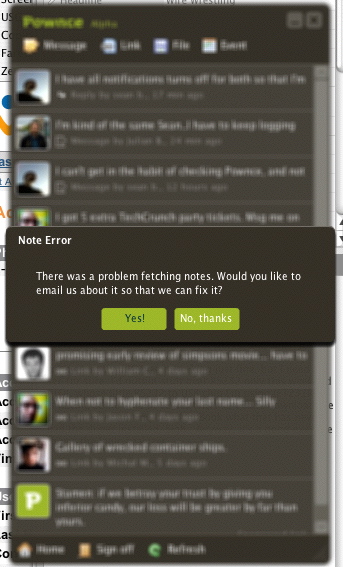
I noticed this while running the little Pownce desktop applet. It moved the window into “the background” by blurring it out a bit as if there were depth to the screen. I’m not 100% sure I like this. I haven’t seen it ever before I don’t think — and it made me wonder if I was getting ready to pass out or something.
Book StuffGeneraluser experienceuser interface
Jul 24, 2007
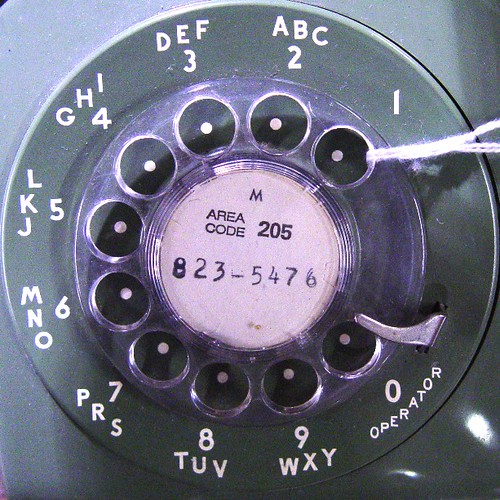
I call Time Warner, the provider of my cable modem line, to troubleshoot the cable modem. I call from my cellphone because I have a VOIP phone that, you know — isn’t working because the cable modem is out of commission. My cellphone has a 917 area code, which is an area code for New York City. Time Warner’s computer…
Book StuffGeneralProximityTheory Object
Jul 20, 2007
These are definitely the droids you are looking for..
Design Art TechnologyGeneralInnovationProjects