| |
|
It's Week 42 of Year 2025
|
| Recently I put together a draft of a
thesis on the ROI of Imagination. That post got lots of curious looks (by people and algorithms alike.) How can something as intangible as “Imagination” be measured? KPIs? OKRs? What would those be for a team that was, say, the Product Imagination Studio? Or your very own Expeditionary Strategy Assessment Group? How would an Applied Imagination Department be measured as to its achievements? And how could it be felt as vital as any other “application” of anything else that has become “operationalized” — like Data Science, or Product Management, or Customer Experience? Imagination is what leads us through the unknown, allowing us to make sense of these vast new terrains we find in front of ourselves with increasing frequency. In this era of relentless AI acceleration, organizations, leaders, and teams must recognize that Imagination isn’t a
luxury or a personality trait — it is *Evolutionary Advantage*. It is the core of what Strategy is meant to be. It is at the root of Design. Without it, one will always find oneself left behind, unable to make sense of, or catch-up to the evolutionary cycles of change. Join
me on Wednesday, October 15th at 10am (UTC-7 / California) with Mark Tipping, Howard B Esbin, PhD, Damien Newman, and Brad Topliff for a LinkedIn Live event on this topic. I'm super excited, especially after all of the conversations on the topic at last week's AIGA 2025 Conference, where I facilitated a
workshop on this very topic.
| |
| |
| Join the Discord, Support Office
Hours, the Newsletter and More
| 
| The Near Future Laboratory is supported by its community and members. Join us on Patreon to support our work, get access to exclusive content, and be part of our vibrant Discord community where we
discuss design, technology, creativity, the future and do projects and support each others' work. I host weekly Office Hours for Patrons — now for 281 weeks and running — every Friday at 0900 (UTC-7 / California). It's a great way to connect, ask questions, and get feedback on your projects. Each week two people from the community present a project, idea, or challenge and we discuss it together. It's a great way to get feedback, learn from others, and connect with like-minded people. All of this is done in a friendly, supportive, and welcoming environment. We have people from all over the world, from all walks of life, and with all kinds of
interests. It's a great way to meet new people, network, show what you can do, and learn from each other. In this time of rapid change and uncertainty, it's more important than ever to have a community of people who can support you, challenge you, and help you grow. The Near Future Laboratory is that community. | |
| |
| The Reader's Guide to The Manual of Design Fiction I wrote his book as a way to describe the motivation behind Design Fiction, and to reveal how Design Fiction allows you to approach innovation in a new and unexpected way. Rather than focusing on predicting specific technological advancements or gadgets, which is the overwhelming approach, Design Fiction encourages
one to use Imagination to explore possibility more broadly.
The book is a follow-on to The Manual of Design Fiction, which was what introduces the concept of Design Fiction. This book takes the position that Design Fiction — aside from its practical utility — is as a way to rescue creativity from ‘Structure’ that can limit the full range of capabilities Imagination can bring to bear. Instead of trying to forecast exact inventions or timelines, Design Fiction encourages you to ask
open-ended questions and wonder more into possible futures." | |
| From the Discord
| 💁🏽-calls-submissions-opportunities Prompt Club NY, SF, LA, and Paris are collaborating on a cross-continental experimental filmmaking project centered around
the theme “Where do our dreams go when we forget them?” Participants from each city will produce short films inspired by this theme, with screenings serving as a platform for international artistic exchange and audience engagement. | 🖼-art-technology “Melody of Budapest” by Milán Janosov
explores the integration of data science and artificial intelligence to represent the city's mobility patterns through a multidisciplinary audiovisual composition. Utilizing large-scale cellular mobility data and generative AI, the project visualizes Budapest's dynamic urban activity and rhythms, emphasizing the city's complex internal systems and temporal variability. | 🛠-whats-ai-good-for-anyway Out source your email to trained horses. Trade screen time for unforgettable Icelandic adventures, reconnect with nature, and let the horses take
care of the details! | 🛠-whats-ai-good-for-anyway Kitchen Cosmo, developed by MIT students, is a
retrofuturistic appliance designed to generate recipes based on available leftovers through a tactile interface that emphasizes physical interaction, such as dials and switches, rather than digital screens. The device employs AI to identify ingredients and create meal suggestions, aiming to foster a collaborative and intentional relationship between users and technology within the kitchen environment. | 🛠-whats-ai-good-for-anyway A digital content firm has developed an AI-generated actress named “Tilly,” which has elicited significant
criticism from Hollywood actors concerned about the potential implications for employment within the industry. Despite assurances from the creators that the technology is not intended to replace human performers, industry representatives remain apprehensive about the broader impact of such advances. | |
| Seen in the Discord.
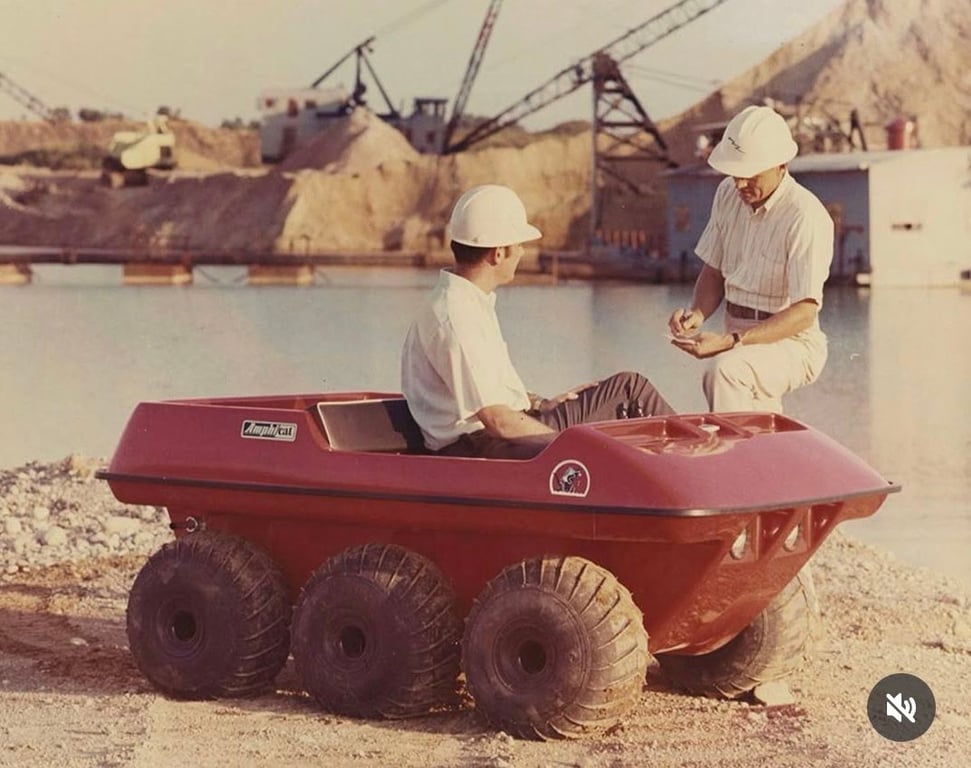
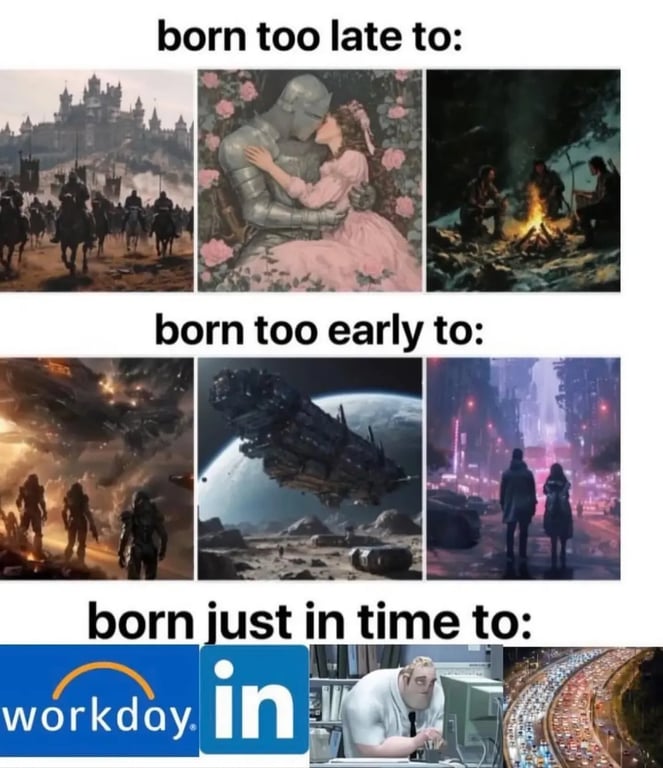
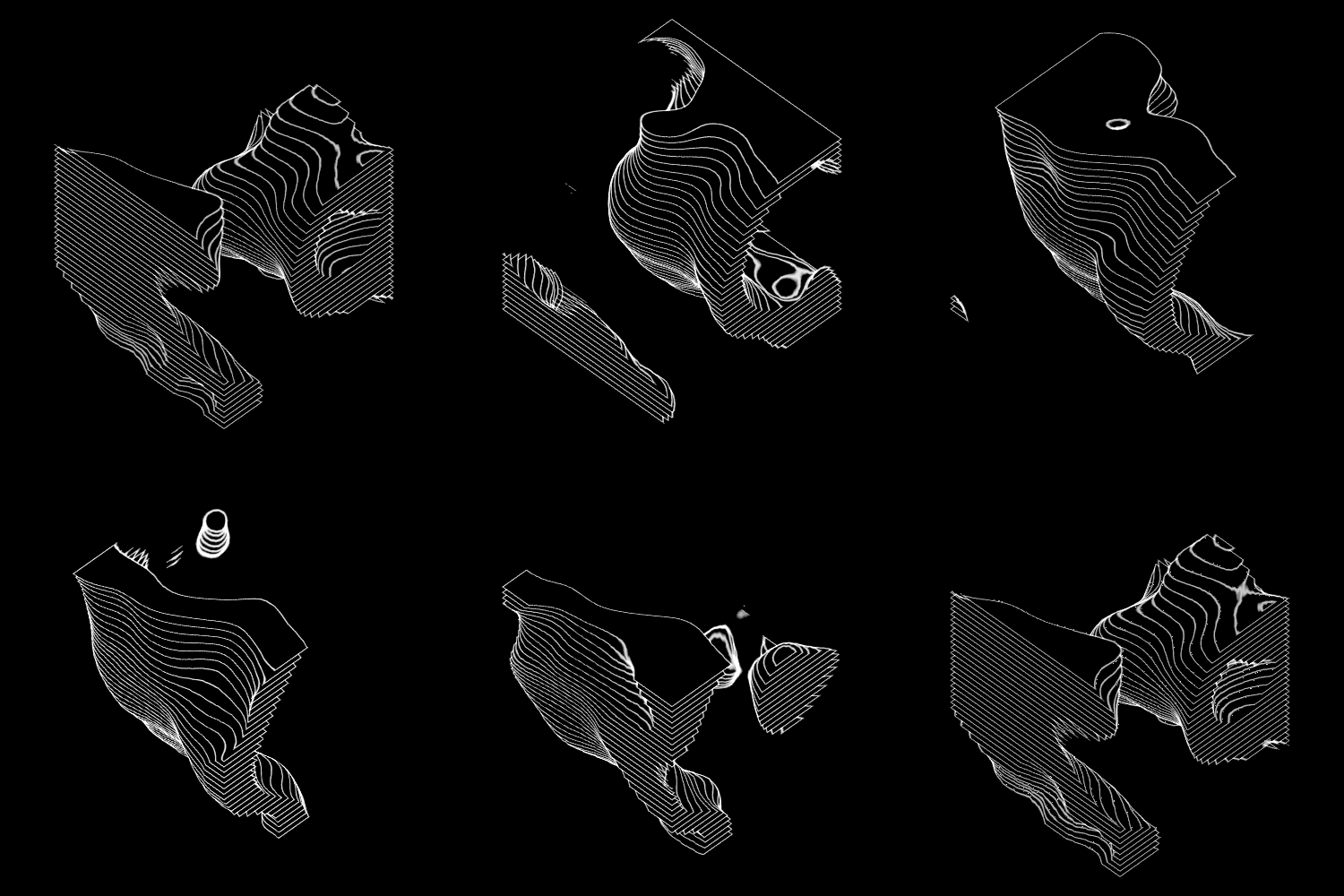
| No words. Just images. An uncurated selection of curious images found out and about and shared in the Near Future Laboratory Discord, without comment.
| 
| 
| 
| |
| |
| |
|
|